Toyota Land Cruiser Hybrid Recall: Fuel Tube Can Disconnect and Leak
A small retaining clip is the whole problem. If it lifts, a fuel tube near the tank can separate and leak gasoline. The fix is a free dealer inspection and supplemental clamp.
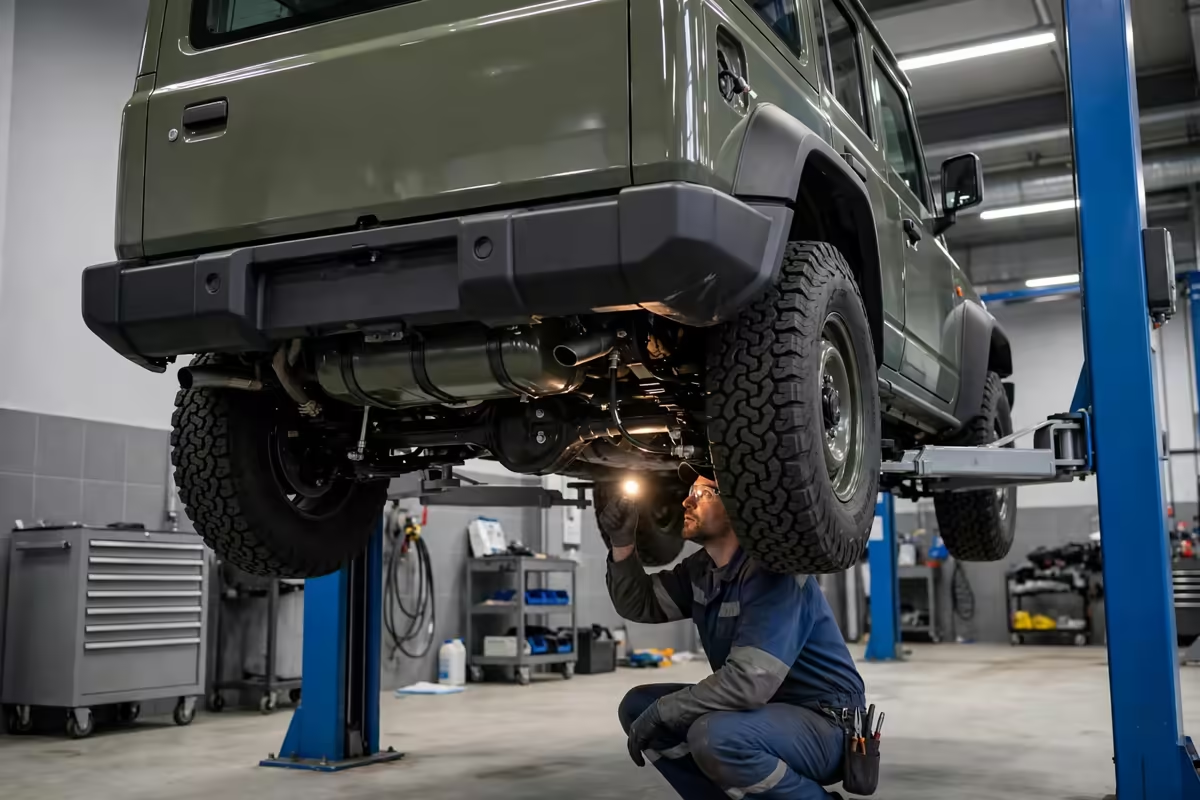
Toyota is recalling 105,794 Land Cruiser Hybrids in the United States because a fuel tube connection near the fuel tank can disconnect and leak gasoline. A leak in the presence of an ignition source increases the risk of a fire. This is a large recall, covering nearly every current-generation Land Cruiser Hybrid sold in the US since the nameplate returned in spring 2024, and it is worth checking today rather than waiting for a letter.
The campaign is NHTSA 26V673, filed by Toyota on Oct 14, 2026. Toyota's own numbers for the recall are 26TB23 and 26TA23. It covers 2024-2027 Toyota Land Cruiser Hybrid vehicles built from Nov 29, 2023 to Oct 1, 2026.
Quick Facts: Toyota Land Cruiser Hybrid Fuel-Leak Recall
| Detail | Information |
|---|---|
| Toyota recall numbers | 26TB23 / 26TA23 |
| NHTSA campaign | 26V673 |
| Affected vehicles | 105,794 Toyota Land Cruiser Hybrid SUVs |
| Model years | 2024–2027 (built Nov 29, 2023 to Oct 1, 2026) |
| Defect | Fuel tube retaining clip can lift, letting the tube disconnect and leak gasoline near the tank |
| The fix | Free dealer inspection and supplemental clamp; resin fuel tube replaced if the inspection shows it is needed |
| Owner letters | Expected Nov 29 to Dec 13, 2026 |
What is wrong
The problem is at one joint, not in the engine. A resin fuel tube on the fuel tank connects to a main metal fuel tube that carries gasoline toward the engine. A retaining clip holds that joint together. If the clip lifts or comes unseated, the two tubes can separate, and fuel can leak until the hybrid system shuts the gasoline engine off.
Toyota has not named a single manufacturing flaw that makes the clips lift. Its filing counts 23 field technical reports and 64 US warranty claims tied to the problem, and it estimates the defect is actually present in about 1 percent of the recalled population. That estimate is exactly why the VIN matters more than the model year: most recalled vehicles will not have a lifted clip, but only the VIN check can say whether a specific vehicle is in the campaign, and a dealer inspection can say whether its joint needs attention.
The free fix
Dealers will inspect the fuel tube connection free of charge. They will install a supplemental clamp to hold the joint together, or, if the inspection shows the resin tube needs it, replace the resin fuel tube and then install the supplemental clamp. The work costs owners nothing, regardless of warranty status.
One timing detail owners should hear plainly: a late-October report said the clamp and the repair instructions were still being prepared at that time, with the clamp estimated ready in December. That December estimate has not been re-confirmed as of early November 2026. When you call, ask the dealer whether the clamp is in stock for your vehicle, and ask them to inspect and book the fitting, rather than assuming the letter date means the part is already waiting.
When owners will hear from Toyota
Owner notification letters are expected to be mailed from Nov 29, 2026, with reporting putting the mailing window at Nov 29 to Dec 13, 2026. Dealers were notified on Oct 14, 2026. The pattern is familiar from the Toyota RAV4 Plug-In Hybrid recall, where the letters also lag the filing by several weeks.
Do not wait for the letter. Run the VIN now at NHTSA.gov/recalls or Toyota.com/recall. Our step-by-step guide explains how: How to Check a Car for Open Recalls by VIN.
Not the same as the earlier Land Cruiser campaign
This fuel-tube recall is a different campaign from the separate earlier Land Cruiser instrument-cluster campaign, where a cluster could go blank at startup and a software update was the remedy. Do not let a completed software update, or a clean result on that older campaign, stand in for a VIN check on 26V673. They are different defects, different remedies, and different recall numbers.
What owners should do
1. Check the exact VIN at NHTSA.gov/recalls or Toyota.com/recall. A model-year search is not enough.
2. If the VIN is in the campaign, call a Toyota dealer's service department, give them the VIN, and ask about inspection and clamp availability.
3. Keep the repair paperwork with the vehicle. A completed-recall record is part of the vehicle's value at resale.
4. Used buyers: run the VIN from the listing before signing, and ask in writing whether the 26V673 remedy has been completed on that exact VIN. Recall remedies do not expire with a change of owner, but finding an open recall before signing turns it into a condition of the deal instead of an errand afterwards.
Sources & Citations
Primary public references used for U.S. vehicle research on AutoTechSpot: