Toyota RAV4 Plug-In Hybrid Recall: 30,978 SUVs Could Lose Power at Highway Speed
No wrenching, no parts wait: a software error in the motor generator ECU can shut down the plug-in hybrid system at highway speed. Toyota will update the software free, but owner letters do not start until November 22, 2026, so a VIN check now beats waiting for the mail.
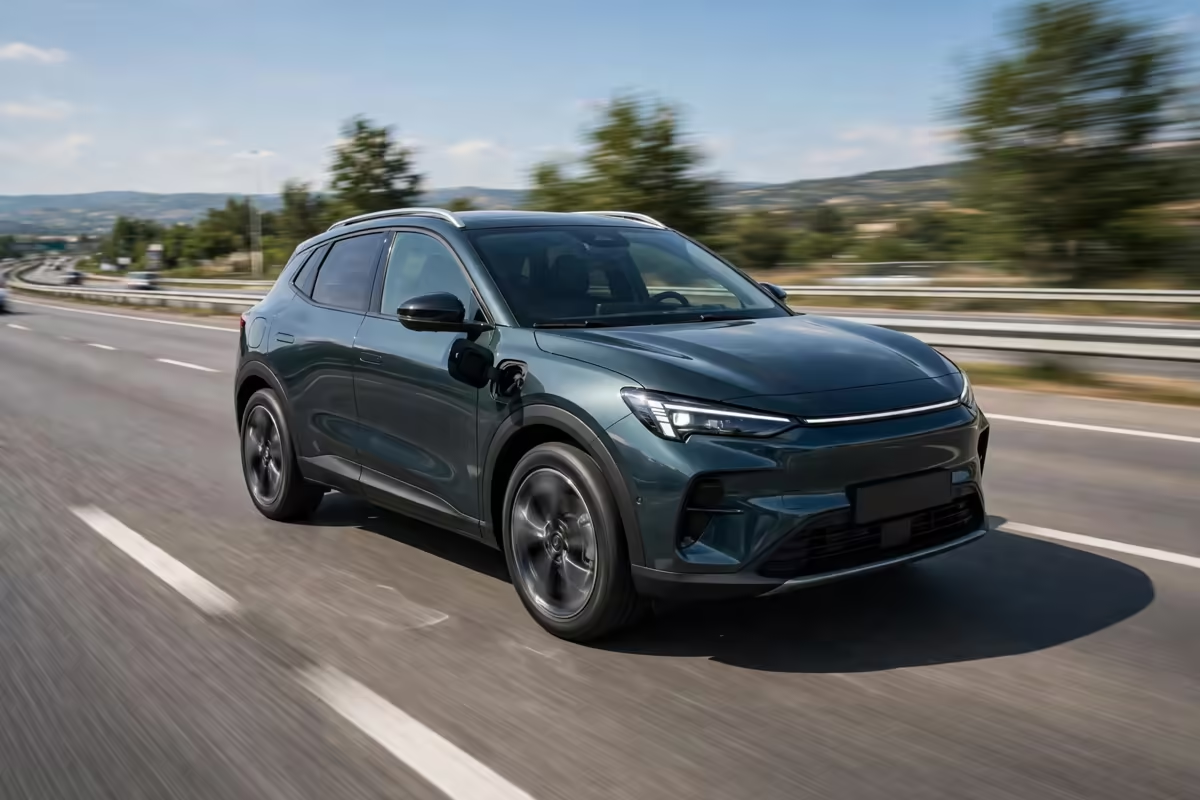
This recall is the opposite of the usual scary headline. There is no engine to replace and no part to wait for. Toyota is recalling 30,978 model-year 2026 RAV4 Plug-In Hybrids because the motor generator ECU, the computer that runs the hybrid drive motors, can hit an error that reduces power or shuts the plug-in hybrid system down while driving at higher speeds. An unexpected loss of drive power at highway speed increases the risk of a crash, which is why it is a safety recall even though the fix is only software.
Toyota filed the recall with the National Highway Traffic Safety Administration (NHTSA) on October 7, 2026, but owner notification letters are not expected to be mailed until November 22, 2026. That gap is exactly why a VIN check now beats waiting for the mail: for the next several weeks, most affected owners have no way of knowing their brand-new SUV is on the list unless they go and look.
Quick Facts: Toyota RAV4 Plug-In Hybrid Power-Loss Recall
| Detail | Information |
|---|---|
| Toyota recall number | 26TA22 |
| NHTSA campaign | 26V659 |
| Affected vehicles | 30,978 vehicles, 2026 model year, US |
| Models | 2026 Toyota RAV4 Plug-In Hybrid only |
| Defect | Motor generator ECU error; plug-in hybrid system can reduce power or shut down at higher speeds |
| Consequence | Unexpected loss of drive power, increasing crash risk |
| Known crashes/injuries | None reported tied to the defect in trade coverage of the filing |
| The fix | Free dealer software update to the motor generator ECU |
| Timeline | Filed October 7, 2026; owner letters expected from November 22, 2026 |
Which RAV4s Are Affected, and Which Are Not?
Only the 2026 RAV4 Plug-In Hybrid is in this campaign. That matters because the 2026 RAV4 is a ground-up redesign, the sixth generation, sold only with electrified powertrains, and the plug-in version no longer carries the old Prime name. Trade coverage reports the affected plug-in models were built in Japan; the standard gasoline and conventional hybrid RAV4 variants are not affected.
- Included: certain 2026 Toyota RAV4 Plug-In Hybrid vehicles (30,978 in the US).
- Not included: conventional hybrid RAV4s, gasoline RAV4s, and earlier RAV4 Prime model years. Do not assume a Prime badge means inclusion, or that a hybrid badge means exclusion: run the VIN.
What Actually Goes Wrong
NHTSA's summary is short: the motor generator ECU may encounter an error, causing the plug-in hybrid system to reduce power or shut down when driven at higher speeds. Trade coverage of Toyota's filing adds the mechanism: an error during the ECU's startup initialization sequence can leave the higher-speed motor control mode unavailable. If the failure hits the rear motor generator, the vehicle drops into a fail-safe mode, losing all-wheel drive and running in front-wheel drive at reduced performance. If it hits the front motor generator at highway speed, the whole plug-in hybrid system can shut down.
One attribution note: NHTSA's summary confirms the power-loss and shutdown consequence. The motor-by-motor behaviour above comes from trade reporting of Toyota's filing, not from NHTSA's own wording.
Toyota found the anomaly during internal vehicle testing and reproduced it in laboratory and track testing, according to trade coverage. No crashes or injuries tied to the defect have been reported in that coverage. The recall is therefore a preventive software correction, not a response to a crash record.
The Fix: A Free Software Update, No Parts
Dealers will update the motor generator ECU software, free of charge. There is no battery swap, no engine work, and no parts shortage to wait out, which makes this one of the least painful recalls an owner can receive. The practical cost is a dealer visit, not a repair bill.
The schedule, from NHTSA's October 13, 2026 acknowledgment letter: owner notification letters are expected to be mailed starting November 22, 2026, arriving over the following weeks (into early December) rather than all on one day. Owners do not need to wait for the letter to check their VIN, and the VIN check below is already the useful action.
How to Check If Your RAV4 Is Recalled
1. Find your VIN: the 17-character code on the driver-side dashboard, visible through the windshield, or on your registration and insurance documents.
2. Run it at NHTSA.gov/recalls: enter the VIN (or license plate and state). This campaign is NHTSA 26V659, Toyota 26TA22.
3. Or call Toyota at 1-800-331-4331 and quote recall 26TA22, or ask your dealer's service department to run the VIN.
If you are shopping for a 2026 RAV4 Plug-In Hybrid right now, run the VIN from the listing before you sign. A vehicle in the recall population cannot legally be delivered with an unremedied safety defect once Toyota has notified NHTSA, so a dealer should be able to show the software update as completed, not promised.
Buying a 2026 RAV4 Right Now? Check Before You Sign
The same rule as the EcoBoost article applies: because every affected vehicle is a current model year car, some may still be in transit or on lots. Ask, in writing, whether the motor generator ECU software update for 26TA22 has been completed on that exact VIN. The fix is free either way, but buying with the paperwork settled beats discovering an open recall at your first service visit.
Cross-shopping the RAV4 against its closest rival? Our Toyota RAV4 vs Honda CR-V comparison covers the hybrid-only 2026 RAV4, cargo, MPG, AWD, and pricing, and the What Car Suits Me? quiz can sanity-check the shortlist against budget and mileage. For the pattern behind this recall, the Ford EcoBoost engine-failure recall is the other Monday problem/recall article in this run: a hardware defect with a free engine replacement, where this RAV4 story is a software defect with a free software fix.
The Bottom Line
30,978 brand-new, sixth-generation RAV4 Plug-In Hybrids carry a software error that can cut drive power at highway speed. The fix costs nothing and needs no parts, just a dealer software update. The catch is timing: letters do not start until November 22, 2026, so owners who wait for the mail will spend a month not knowing. Check your VIN today, book the update when your dealer can do it, and keep the recall paperwork (26TA22) with the car.
Recall details checked October 27, 2026 against NHTSA campaign 26V659 documentation (acknowledgment letter dated October 13, 2026, manufacturer report October 7, 2026). Motor-by-motor behaviour and the internal-testing origin are from trade coverage of Toyota's filing, not from the NHTSA summary. Individual vehicle status can change; the NHTSA VIN lookup is the final word for your RAV4.Sources & Citations
Primary public references used for U.S. vehicle research on AutoTechSpot: